
House-training works best when your puppy receives the same clear cue at the same place and time. A puppy potty training spray can support that routine by marking an approved toilet area with a consistent scent. It is not a shortcut, and it cannot replace supervision, timely outdoor trips, or calm rewards. Used correctly, however, it can make the preferred location easier for a young dog to recognize.
Table of Contents
What Puppy Potty Training Spray Does
A puppy potty training spray is an attractant intended for a designated elimination spot. The scent helps create a location cue. Your puppy still needs to arrive there when the urge is likely, eliminate in the correct place, and receive immediate positive reinforcement. Think of the spray as one part of a complete behavior routine rather than the training method itself.
Results vary with age, previous habits, health, household layout, and consistency. Very young puppies have limited bladder control. A sudden increase in accidents, straining, unusual thirst, diarrhea, or discomfort deserves veterinary attention rather than more training product. The American Veterinary Medical Association pet-care resources are a useful starting point for responsible health guidance.
Choose the Right Toilet Location
Before using a puppy potty training spray, decide where toileting should happen. For outdoor training, select a small, easy-to-reach patch that is safe in wet weather and away from busy play areas. For indoor training, use a stable pad holder, washable tray, artificial-grass system, or other surface that will not slide beneath the puppy.
- Keep the location consistent during the learning stage.
- Make the route simple and remove physical barriers.
- Place indoor stations away from food, water, beds, and crates.
- Avoid locations where children or other pets will disturb the puppy.
- Follow the product label for suitable surfaces and ventilation.
Apply the puppy potty training spray only to the selected target, following the label directions. More product is not necessarily more effective. If the surface is absorbent, test a discreet area first. Never spray your puppy, its bedding, food bowls, toys, or skin.
A Step-by-Step Training Routine
A puppy potty training spray works within a consistent routine, and consistency matters more than complexity. Use the following sequence every time you expect your puppy may need to eliminate.
- Prepare the target. Apply the puppy potty training spray as directed on the approved toilet surface.
- Take the puppy there. Use a leash indoors or outdoors if wandering turns the trip into playtime.
- Add one verbal cue. Say a short phrase once, then wait quietly.
- Allow a few calm minutes. Avoid games, repeated talking, or constant movement.
- Reward immediately. The moment your puppy finishes, praise calmly and provide a small reward.
- Record the result. Note the time, meal, water intake, sleep, play, and outcome.
If nothing happens, return the puppy to close supervision for a short interval and try again. Do not allow unrestricted access to the home after an unsuccessful trip. This prevents a missed cue from becoming an accident behind furniture.
Use Timing and Supervision
The best puppy potty training spray routine is built around predictable moments. Take your puppy to the designated spot after waking, eating, drinking, energetic play, training sessions, and before settling for the night. Watch for sniffing, circling, sudden distraction, pacing, or moving toward a previous accident site.
When you use a puppy potty training spray, a written log quickly reveals patterns. Instead of relying on a rigid interval copied from another household, use your puppy’s real behavior to adjust the schedule. Age provides context, but individual capacity and routine matter. Crates and pens can assist supervision when introduced humanely, but they should never become punishment or a substitute for adequate toilet breaks.
Indoor vs. Outdoor Use
| Factor | Indoor station | Outdoor toilet area |
|---|---|---|
| Best suited to | Apartments, limited mobility, severe weather, or temporary needs | Households aiming for outdoor elimination |
| Surface | Pad, tray, or artificial grass | Soil, gravel, or suitable natural ground |
| Main risk | The puppy may generalize the habit to rugs or mats | Weather and distractions can reduce focus |
| Transition need | May require gradual relocation toward the final destination | Usually fewer location changes once established |
Use the puppy potty training spray at the destination you genuinely want the puppy to learn. If indoor pads are temporary, move the station gradually toward the door, then outside, while preserving the same cue and reward. Sudden relocation can break the location association and increase accidents.
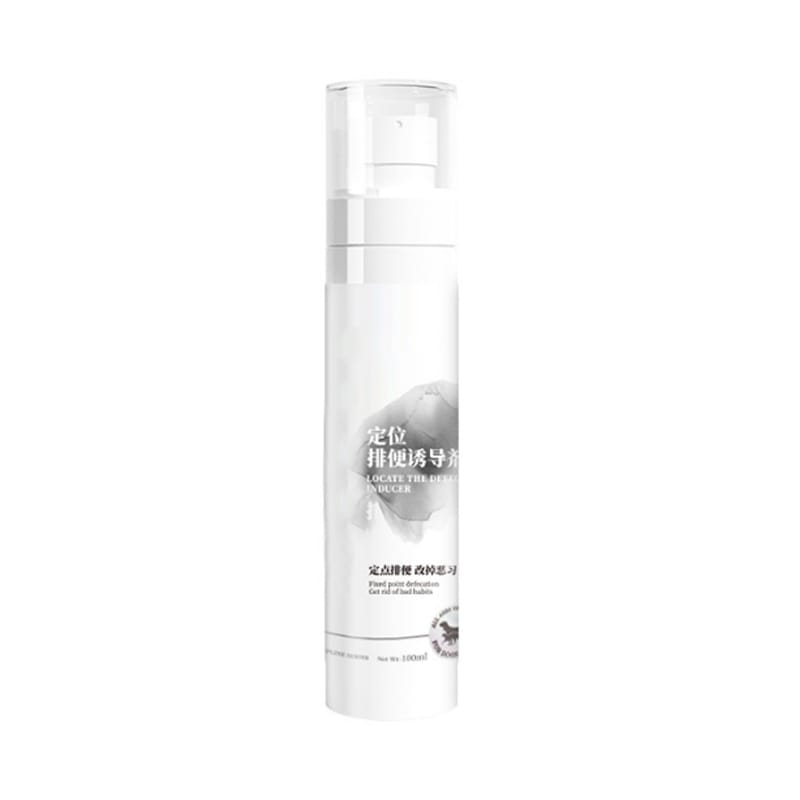
When selecting a puppy potty training spray, households comparing formats can review Minghe Bio’s pet potty training spray product page. For a broader look at routine-care selection, see the guide to choosing pet care products for daily care.
Common Mistakes to Avoid
The following errors can make a puppy potty training spray seem ineffective even when the underlying problem is the routine:
- Changing locations repeatedly: the puppy never forms a stable place association.
- Waiting for an accident: proactive trips work better than reacting after the warning signs.
- Using too much spray: excess product may soil a surface and does not replace repetition.
- Rewarding too late: praise given after returning indoors may reinforce the wrong behavior.
- Punishing accidents: fear can encourage hiding rather than better toilet habits.
- Leaving old odor behind: residual scent may keep drawing the puppy back.
- Expecting instant reliability: learning develops through many successful repetitions.
Clean Accidents Without Confusing Your Puppy
If you catch an accident beginning, interrupt gently and move the puppy to the correct spot. Avoid shouting, rubbing the nose in the area, or using physical punishment. If you discover the accident later, simply clean it; the puppy cannot connect delayed punishment with the earlier behavior.
Remove as much material as possible, then use a cleaner suitable for the affected surface and the type of mess. Keep the puppy away until the area is dry. Do not apply puppy potty training spray to an accident site unless that location is being converted into the approved toilet area. The goal is to remove the old cue and preserve only the chosen one.
For sanitation context, the CDC Healthy Pets guidance explains practical ways people can reduce hygiene risks around animals. Always keep cleaning products and training sprays out of reach and follow their labels.
Measure Progress and Reduce Reliance
While using a puppy potty training spray, track successful trips, accidents, warning signs, and unsupervised periods. Progress means the puppy increasingly seeks the right location, holds through short routine changes, and needs fewer prompts. One accident does not erase earlier learning; look for the trend over several days.
Once the location and verbal cue are reliable, reduce the puppy potty training spray gradually rather than changing every part of the routine at once. Continue timely access and reinforcement. You can make food rewards less frequent after the habit is stable, while calm praise and outdoor access remain valuable.
Frequently Asked Questions
How quickly does puppy potty training spray work?
A puppy potty training spray may attract attention on the first use, but reliable house-training requires repeated successful trips. Expect progress to depend on supervision, timing, age, health, and consistency rather than a fixed number of days.
Can I use the spray on any surface?
No. Check the label, confirm the surface is suitable, and spot-test absorbent or delicate materials. Use the puppy potty training spray on the approved toilet target, not on bedding, bowls, toys, or the animal.
Will the spray stop accidents elsewhere?
Not by itself. Prevent accidents through supervision, a realistic schedule, restricted access after unsuccessful trips, and thorough cleaning. The spray marks the preferred destination; it does not erase competing cues elsewhere.
Can I use puppy potty training spray outdoors?
Use a puppy potty training spray outdoors only when its label permits it. Apply it to a consistent, safe toilet area and reapply only as directed, especially after weather or cleaning changes the scent.
When should I contact a veterinarian about accidents?
Seek veterinary advice when accidents begin suddenly or occur with straining, pain, blood, unusual thirst, frequent urination, diarrhea, lethargy, or other health changes. Training adjustments should not delay appropriate care.
Build a Routine Your Puppy Can Understand
A puppy potty training spray is most useful when the location, timing, cue, supervision, and reward all point to the same behavior. Keep the process calm, record patterns, and adjust expectations to the individual puppy. Pet-care brands or distributors planning a training-care range can contact Minghe Bio to discuss product format and customization requirements without relying on unsupported one-size-fits-all claims.